
eight limbs of yoga pdf
Ashtanga Yoga, detailed in Patanjali’s Yoga Sutras, presents an eightfold path to liberation, encompassing ethical guidelines, physical postures, and meditative practices.
This holistic system aims to purify the mind, body, and spirit, ultimately leading to Samadhi – a state of blissful union and transcendence.
The eight limbs—Yama, Niyama, Asana, Pranayama, Pratyahara, Dharana, Dhyana, and Samadhi—offer a complete framework for personal growth.
Historical Context: Patanjali’s Yoga Sutras
Patanjali’s Yoga Sutras, compiled sometime between the 2nd century BCE and the 4th century CE, represent a foundational text for classical yoga philosophy. These 196 sutras (aphorisms) systematically outline the path to self-realization, codified as the eight limbs of yoga – Ashtanga Yoga.
Prior to Patanjali, yoga traditions existed, but his work provided a structured and comprehensive framework. The Sutras aren’t a practical guide for doing yoga, but rather a philosophical treatise explaining what yoga is and how it works to quiet the fluctuations of the mind.
Patanjali synthesized existing knowledge, presenting a clear roadmap for achieving liberation (Kaivalya) through disciplined practice and mindful awareness. His teachings continue to influence yoga practice globally.
The Holistic Nature of Ashtanga Yoga
Ashtanga Yoga isn’t merely a physical practice; it’s a profoundly holistic system designed to integrate all aspects of being – body, mind, and spirit. The eight limbs work synergistically, each building upon the previous one, creating a transformative journey inward.
It moves beyond postures (Asana) to encompass ethical conduct (Yama & Niyama), breath control (Pranayama), sensory withdrawal (Pratyahara), concentration (Dharana), meditation (Dhyana), and ultimately, blissful union (Samadhi).
This integrated approach fosters not just physical health, but also mental clarity, emotional stability, and spiritual awakening, offering a complete path to self-realization.

Yama: Ethical Restraints
Yama comprises five ethical guidelines – non-violence, truthfulness, non-stealing, continence, and non-attachment – forming the foundation for harmonious living and mindful interaction.
Ahimsa: Non-Violence
Ahimsa, the first of the Yamas, extends far beyond simply avoiding physical harm; it’s a profound commitment to non-violence in thought, word, and deed. This principle encourages compassion and kindness towards all living beings, fostering a deep respect for life.
Practicing Ahimsa involves cultivating mindful awareness of our actions and their potential impact, striving to minimize suffering for ourselves and others. It challenges us to consider the consequences of our choices and to act with intention and empathy.
This restraint isn’t passive; it requires courage to stand against injustice and to protect the vulnerable, always seeking peaceful resolutions. Ahimsa is the cornerstone of ethical living within the Ashtanga Yoga system.
Satya: Truthfulness
Satya, the second Yama, translates to truthfulness – a commitment to honesty in all aspects of life. This isn’t merely avoiding lies, but aligning our thoughts, words, and actions with reality. It demands integrity and authenticity in our interactions with ourselves and the world.
Practicing Satya requires discernment; sometimes, complete honesty can be harmful. It’s about speaking truthfully, yet kindly and constructively, avoiding harshness or unnecessary disclosure. It’s a delicate balance between openness and compassion.
Within the framework of the Eight Limbs of Yoga, Satya builds trust and fosters genuine connection, contributing to inner peace and harmonious relationships.
Asteya: Non-Stealing
Asteya, the third Yama, extends beyond simply refraining from taking what isn’t ours. It encompasses respecting the possessions, time, and energy of others, and even our own. This principle encourages us to cultivate contentment and avoid coveting what others have.
Asteya challenges us to examine our motivations and recognize subtle forms of stealing, such as exploiting others or taking credit for someone else’s work. It’s about honoring boundaries and practicing generosity.
Within the Eight Limbs of Yoga, Asteya fosters trust, abundance, and a sense of security, contributing to a more ethical and fulfilling life.
Brahmacharya: Continence
Brahmacharya, often translated as continence, is more accurately understood as the wise use of energy. It doesn’t necessarily mean complete celibacy, but rather directing our vital force—sexual energy included—towards spiritual growth and self-realization.
Within the framework of the Eight Limbs of Yoga, Brahmacharya encourages moderation in all activities, preventing dissipation of energy through excessive indulgence. It’s about channeling our passions constructively.
Practicing Brahmacharya cultivates self-control, focus, and inner strength, allowing us to harness our energy for higher purposes and deepen our spiritual practice.
Aparigraha: Non-Attachment
Aparigraha, the final Yama, translates to non-attachment or non-possessiveness. It encourages us to release our grip on things, ideas, and even people, recognizing that clinging leads to suffering. This isn’t about renouncing all possessions, but rather cultivating a mindful relationship with them.
Within the Eight Limbs of Yoga, Aparigraha promotes contentment and freedom from the cycle of wanting and needing. It’s about accepting what is, without craving more.
By practicing Aparigraha, we lessen anxiety, cultivate gratitude, and open ourselves to receive abundance without being controlled by it.

Niyama: Observances
Niyama, the second limb, focuses on personal discipline and self-observation, cultivating positive habits like purity, contentment, and self-study for inner growth.
Saucha: Purity
Saucha, the first of the Niyamas, translates to purity and encompasses both physical and mental cleanliness. It’s about maintaining a clean body through practices like hygiene and a sattvic diet, fostering clarity and health;
However, Saucha extends far beyond the physical realm. It also involves purifying the mind through positive thinking, reducing clutter, and cultivating a sense of inner cleanliness.
This mental purification helps to remove negative emotions and distractions, creating space for clarity, focus, and spiritual growth.
Practicing Saucha creates a foundation for all other limbs of yoga, as a pure body and mind are essential for deeper practice and self-realization.
Santosha: Contentment
Santosha, the second Niyama, signifies contentment, satisfaction, and acceptance of the present moment. It’s about cultivating an inner sense of joy and gratitude, regardless of external circumstances.
This isn’t about passivity or settling for less, but rather finding peace and appreciation in what is, rather than constantly striving for what could be.
Santosha encourages us to release attachment to outcomes and embrace the journey, fostering a sense of inner stability and resilience.
Practicing Santosha helps to reduce stress, anxiety, and dissatisfaction, leading to a more fulfilling and harmonious life.
Tapas: Self-Discipline
Tapas, the third Niyama, translates to “heat” or “austerity,” representing self-discipline, dedication, and the burning away of impurities. It’s the willingness to embrace challenges and commit to practices that promote growth, even when uncomfortable.
This isn’t about harsh self-punishment, but rather a focused effort to cultivate positive habits and overcome obstacles. Tapas involves intentionally pushing beyond one’s comfort zone to build strength, resilience, and willpower.
Through consistent practice and mindful effort, Tapas refines the mind and body, paving the way for deeper self-awareness and transformation.
Svadhyaya: Self-Study
Svadhyaya, the fourth Niyama, encompasses self-observation, introspection, and the study of sacred texts. It’s a journey of self-discovery, seeking to understand one’s own nature, motivations, and patterns of behavior.
This practice involves honest self-reflection, acknowledging both strengths and weaknesses without judgment. Studying scriptures or philosophical texts provides wisdom and guidance, offering different perspectives on life’s challenges.
Through Svadhyaya, we gain clarity about our true selves, fostering self-acceptance and promoting personal growth. It’s a continuous process of learning and evolving.
Ishvara Pranidhana: Surrender to a Higher Power
Ishvara Pranidhana, the final Niyama, signifies surrender to a force greater than oneself – a universal consciousness, divine presence, or higher power. It’s about relinquishing control and trusting in the natural unfolding of life.
This isn’t necessarily about religious devotion, but rather a recognition of interconnectedness and acceptance of what is. Through surrender, we release attachment to outcomes and cultivate inner peace.
Ishvara Pranidhana fosters humility, gratitude, and a sense of belonging. It allows us to navigate life’s challenges with grace and equanimity, recognizing that we are part of something larger.
Asana: Physical Postures
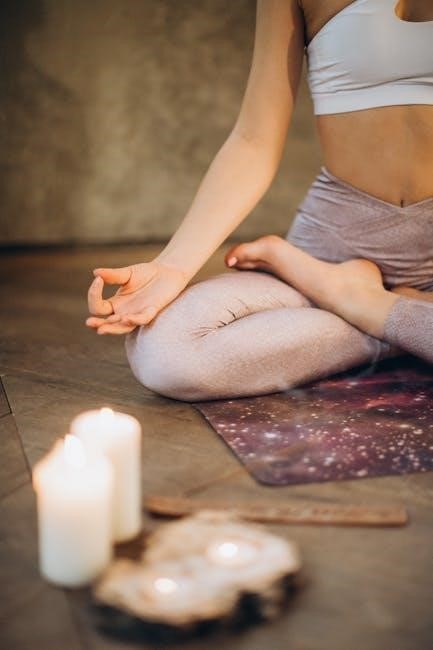
Asana, the third limb, involves physical postures designed to purify the body and cultivate stability, strength, and flexibility—preparing it for deeper practices.
The Purpose of Asana Beyond Physical Exercise
Asana practice transcends mere physical exercise; it’s a crucial step towards cultivating awareness and preparing the body for prolonged meditative states. While improving strength, flexibility, and balance are benefits, the core purpose lies in stabilizing the mind.
Through focused attention during postures, practitioners learn to quiet internal fluctuations, fostering a deeper connection between body and consciousness; This mindful engagement breaks down the barriers between the physical and subtle energies.
Asana isn’t about achieving perfect form, but about the journey of self-observation and cultivating a present-moment awareness. It’s a bridge, linking the external practice to the internal landscape, paving the way for Pranayama and further limbs.
Common Asanas and Their Benefits
Numerous Asanas offer diverse benefits, catering to varying levels of experience. Tadasana (Mountain Pose) grounds and strengthens, improving posture and body awareness. Adho Mukha Svanasana (Downward-Facing Dog) energizes, stretches the entire body, and calms the nervous system.
Uttanasana (Standing Forward Bend) releases tension in the hamstrings and spine, promoting relaxation. Virabhadrasana I (Warrior I) builds strength and stamina, cultivating courage and focus. Balasana (Child’s Pose) gently stretches the hips, thighs, and ankles, offering a restorative experience.
Regular practice of these and other Asanas enhances physical health, mental clarity, and emotional balance, preparing the body for deeper yogic practices.

Pranayama: Breath Control
Pranayama techniques regulate prana, or life force, through conscious breathing exercises. This practice profoundly impacts the mind, fostering calmness and mental stability.
Techniques for Regulating Breath
Numerous Pranayama techniques exist, each with unique benefits. Ujjayi breath, often called “ocean breath,” involves a slight constriction in the back of the throat, creating a soft sound and promoting focus.
Kapalabhati, or “skull shining breath,” utilizes forceful exhalations to cleanse the respiratory system and energize the body. Conversely, Nadi Shodhana, or alternate nostril breathing, balances the nervous system and calms the mind.
Bhastrika, bellows breath, is a vigorous practice that generates heat and increases vitality. Consistent practice of these techniques, under guidance, enhances lung capacity, improves oxygenation, and cultivates a deeper connection between breath and awareness.
The Connection Between Breath and Mind
Pranayama highlights the inseparable link between breath and the mind; the breath profoundly influences mental states, and vice versa. A calm, steady breath naturally soothes the nervous system, reducing anxiety and promoting mental clarity.
Conversely, shallow, rapid breathing often accompanies stress and agitation. By consciously regulating the breath, we can directly impact our emotional and mental wellbeing.
This mindful control fosters present moment awareness, diminishing the power of distracting thoughts and cultivating inner peace. Yoga utilizes breath as a tool to access deeper states of consciousness and unlock inner harmony.

Pratyahara: Withdrawal of the Senses
Pratyahara involves intentionally turning inward, reducing reliance on external stimulation, and cultivating inner awareness for deeper self-observation and tranquility.
Turning Inward: Reducing External Stimulation
Pratyahara, as the fifth limb of yoga, represents a crucial shift from outward focus to inner exploration. It’s not about completely blocking out the world, but rather consciously detaching from constant sensory input. This involves minimizing distractions – sights, sounds, smells, tastes, and tactile sensations – that typically command our attention.
By lessening this external pull, we create space for introspection and a deeper connection with our internal landscape. Practices like mindful observation of breath, gentle closing of the eyes during meditation, or simply spending time in quiet solitude can facilitate this withdrawal.
The goal isn’t asceticism, but cultivating the ability to choose where we direct our energy, fostering a sense of inner calm and control amidst the external chaos.
Cultivating Inner Awareness
Following the withdrawal of the senses – Pratyahara – comes a heightened state of inner awareness. This isn’t simply about noticing thoughts and feelings, but observing them without judgment or attachment. It’s a process of becoming a witness to our internal experience, recognizing sensations, emotions, and mental patterns as they arise and pass.
This cultivated awareness allows us to break free from reactive patterns and respond to life with greater clarity and equanimity. Through consistent practice, we begin to discern the difference between our true self and the fluctuations of the mind.
This deeper self-understanding is foundational for progressing along the path of yoga, paving the way for focused concentration and meditative states.

Dharana: Concentration
Dharana involves focusing the mind on a single point, like breath or an object, developing mental stability and reducing distractions. It’s a crucial step towards meditation.
Focusing the Mind on a Single Point
Dharana, as the sixth limb of yoga, cultivates the ability to concentrate, directing mental energy towards one specific focus. This isn’t simply about trying to focus; it’s a practice of gently redirecting the mind whenever it wanders, acknowledging thoughts without judgment.
Common focal points include the breath, a mantra, a visual image (like a candle flame – trataka), or even a chakra. The key is consistency and patience. Initially, maintaining focus will be challenging, with the mind naturally flitting between thoughts.
However, with dedicated practice, the duration of concentration gradually increases, strengthening mental discipline and laying the groundwork for deeper meditative states. This focused attention is essential for progressing along the yogic path.
Developing Mental Stability
Dharana’s consistent practice directly fosters mental stability, reducing the mind’s tendency to scatter and become overwhelmed by thoughts. By repeatedly returning attention to a chosen focal point, we train the mind to remain anchored and present.
This isn’t about suppressing thoughts, but rather observing them without getting carried away. Over time, this cultivates a sense of inner calm and equanimity, even amidst external chaos. A stable mind is less reactive and more resilient.
This enhanced mental fortitude translates into improved focus, clarity, and decision-making in all aspects of life, preparing the ground for the deeper states of meditation – Dhyana.
Dhyana: Meditation
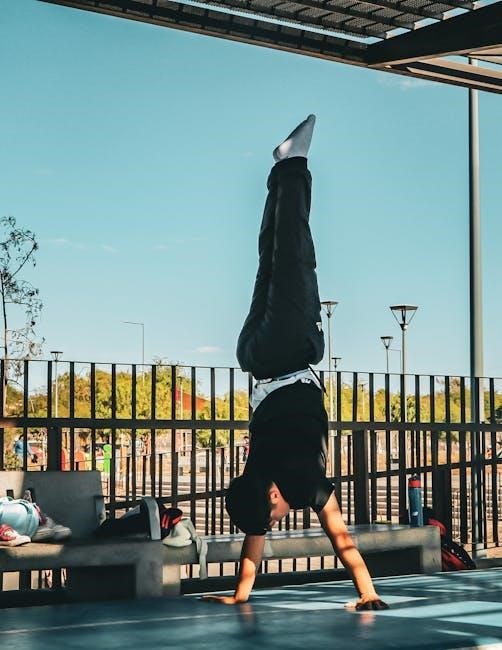
Dhyana emerges from sustained Dharana, becoming a flowing, uninterrupted state of concentration where the observer, the observed, and observation merge into one.
Sustained Concentration Leading to Flow
Dhyana, often translated as meditation, isn’t simply trying to concentrate; it’s the natural result of prolonged and focused Dharana (concentration). When the mind consistently returns to the chosen point of focus, without wandering or distraction, a state of effortless flow emerges.
This isn’t a forced mental state, but rather a gentle allowing of the mind to settle. The distinction between the meditator, the object of meditation, and the act of meditation itself begins to dissolve. Thoughts may still arise, but they are observed without engagement, like clouds passing in the sky.
Regular practice cultivates this sustained attention, deepening self-awareness and fostering a sense of inner peace. It’s a crucial step towards the ultimate goal of Samadhi, representing a profound shift in consciousness.
The Benefits of Regular Meditation Practice
Consistent Dhyana (meditation) yields profound benefits extending far beyond relaxation. It demonstrably reduces stress and anxiety by calming the nervous system and lowering cortisol levels. Improved focus and concentration are also key outcomes, enhancing cognitive function and productivity in daily life.
Furthermore, regular meditation cultivates emotional resilience, allowing individuals to navigate challenges with greater equanimity. Self-awareness deepens, fostering a stronger connection to inner wisdom and intuition. It can also promote better sleep quality and overall physical health.
Ultimately, dedicated practice supports a more balanced and harmonious existence, paving the way for spiritual growth and a deeper understanding of oneself.

Samadhi: Blissful Union
Samadhi, the culmination of Ashtanga Yoga, represents a state of complete absorption and oneness, transcending the limitations of the ego and experiencing pure bliss.
The Ultimate Goal of Yoga
Samadhi isn’t merely a final destination, but the very essence of yoga’s transformative journey, as outlined in Patanjali’s Yoga Sutras and the eight limbs. It signifies a state of profound absorption, where the distinction between the observer and the observed dissolves.
This blissful union transcends ordinary consciousness, offering a direct experience of reality beyond the limitations of the mind. Achieving Samadhi involves consistent practice of all eight limbs – ethical conduct, physical postures, breath control, sensory withdrawal, concentration, and meditation.
It’s a state of complete peace, clarity, and liberation, representing the ultimate potential of human consciousness and the realization of one’s true self. The path isn’t easy, but the reward is immeasurable.
Experiencing Oneness and Transcendence
Samadhi, the culmination of the eight limbs of yoga, facilitates a profound experience of oneness – a dissolving of the individual self into the universal consciousness. This transcendence moves beyond intellectual understanding, becoming a direct, felt reality.
Through dedicated practice, as detailed in Patanjali’s Yoga Sutras, practitioners can quiet the fluctuations of the mind, allowing a deeper connection to something larger than themselves. This isn’t about escaping reality, but perceiving it without the filters of ego and conditioning.
It’s a state of complete freedom, peace, and joy, revealing the inherent interconnectedness of all things and unlocking the potential for profound inner transformation.