
manual vs power recliner
Manual vs; Power Recliners: A Comprehensive Comparison (12/10/2025)
Today, 12/10/2025, discerning between manual and power recliners reveals a widening gap in functionality and features, impacting comfort, convenience, and overall user experience.
Recliners have evolved from simple upholstered chairs to sophisticated relaxation hubs, offering a sanctuary within the home. Initially designed for comfort and support, modern recliners now cater to diverse needs, ranging from basic relaxation to therapeutic positioning. The core function remains consistent: to allow the user to recline, elevating the feet and leaning back for optimal comfort.
However, the method of achieving this recline has diverged, leading to two primary types: manual recliners and power recliners. Manual recliners rely on a mechanical lever system, requiring physical effort to adjust the position. Conversely, power recliners utilize electric motors, enabling effortless adjustments with the touch of a button. This fundamental difference dictates a range of variations in features, ergonomics, and overall user experience.
Choosing between the two necessitates careful consideration of individual preferences, physical capabilities, and lifestyle. This comparison will delve into the nuances of each type, exploring their functionalities, benefits, and drawbacks to aid in making an informed decision.
What is a Manual Recliner?
Manual recliners represent the traditional approach to reclining comfort. These chairs operate via a mechanical lever, typically located on the side of the chair. Engaging this lever releases a locking mechanism, allowing the user to lean back and elevate their feet. The degree of recline is controlled by the user’s own body weight and the amount of force applied to the lever.
This system offers a direct, tactile experience, providing a sense of control over the reclining process. Manual recliners generally boast a simpler construction, often resulting in a more affordable price point. They don’t require a power source, making them suitable for any room without electrical outlets.
However, adjusting a manual recliner requires physical effort, which may be challenging for individuals with limited strength or mobility. The range of reclining positions is also typically more limited compared to their power counterparts.
What is a Power Recliner?
Power recliners elevate the relaxation experience through motorized operation. Equipped with buttons or a remote control, these chairs allow users to adjust the recline angle effortlessly, with a simple touch. The motorized mechanism handles the physical exertion, providing a seamless and convenient experience.
These recliners often feature multiple reclining positions, including options like zero gravity, designed to distribute body weight and promote better circulation. Many models also include additional features such as adjustable headrests, lumbar support, and USB charging ports.
While generally more expensive than manual recliners, power models offer enhanced accessibility and comfort, particularly for those with mobility limitations. A battery backup feature, often located underneath the chair, ensures continued operation even during power outages.
Key Differences: Functionality & Features
The core distinction lies in operation: manual recliners require physical force, while power recliners utilize motors and buttons for effortless adjustments and enhanced features.
Reclining Mechanism: Manual Operation
Manual recliners operate through a straightforward, yet physically demanding, mechanism. Users initiate the recline by engaging a lever or handle, typically located on the side of the chair. This action releases a locking mechanism, allowing the backrest and footrest to move in unison.
The degree of recline is directly proportional to the user’s applied force; achieving a desired position requires conscious effort. While simple in design, this system offers a sense of control and doesn’t rely on electrical power. However, individuals with limited strength or mobility may find it challenging to operate consistently.
The mechanics involve a cable-and-pulley system, or a similar arrangement, connecting the recline handle to the chair’s moving parts. This direct connection means the user is directly responsible for both initiating and sustaining the recline position. It’s a reliable system, but lacks the convenience of automated adjustments.
Reclining Mechanism: Power Operation ー Motors & Buttons
Power recliners utilize electric motors to facilitate effortless adjustments. A simple press of a button, typically located on the armrest, activates the motor, smoothly transitioning the chair into the desired recline position. This system eliminates the physical exertion required by manual recliners, making it ideal for those with limited strength or mobility.
The core of the mechanism involves one or more electric motors, strategically positioned to control the backrest and footrest movements. These motors are powered by a standard electrical outlet, and many models include a battery backup for operation during power outages.
The control panel often features multiple buttons, allowing for precise adjustments and potentially controlling additional features like lumbar support or headrest positioning. This motorized approach offers a seamless and convenient experience, prioritizing ease of use and personalized comfort.
Adjustability & Positions
Power recliners generally offer a wider range of adjustability compared to their manual counterparts. Beyond simple reclining, many feature infinite position control, allowing users to settle into virtually any angle for customized comfort. This contrasts with manual recliners, which often have limited, pre-set positions.
A significant advantage of power recliners is the ability to achieve the zero gravity position. This position elevates the legs and reclines the back, distributing body weight evenly and reducing pressure on the spine. This promotes better blood flow, improved heart health, and faster bodily healing.
The enhanced adjustability of power recliners caters to individual preferences and needs, providing a truly personalized relaxation experience. The difference between manual and power options is significant, offering a superior level of control and ergonomic support.
Zero Gravity Position & Health Benefits
Power recliners frequently boast the capability to achieve the coveted zero gravity position, a feature rarely found in manual models. This position, elevating the legs and reclining the back, mimics the weightlessness experienced during space travel, profoundly impacting health and wellbeing.
The benefits are numerous: improved blood circulation is a key advantage, as the position reduces strain on the cardiovascular system. This enhanced circulation contributes to better heart health and can accelerate bodily healing processes. By minimizing pressure on the spine, the zero gravity position also alleviates back pain and discomfort.
Essentially, this position promotes optimal physiological alignment, offering therapeutic benefits beyond simple relaxation. While manual recliners provide comfort, power recliners with zero gravity functionality deliver a proactive approach to health and wellness, making them a superior choice for those seeking restorative rest.
Additional Features in Power Recliners
Power recliners distinguish themselves from manual counterparts through a suite of advanced features enhancing comfort and personalization. Beyond simple reclining, many models incorporate adjustable lumbar support, catering to individual spinal needs and promoting proper posture. This targeted support alleviates lower back pain and enhances overall ergonomic comfort.
Furthermore, adjustable headrests and neck pillows are common additions, providing customized support for the head and neck, reducing strain and promoting relaxation. These features are rarely, if ever, found in standard manual recliners.
The convenience of effortless operation, combined with these customizable features, positions power recliners as a premium relaxation experience. They offer a level of tailored comfort simply unattainable with the limited adjustability of manual models, appealing to those prioritizing luxury and wellbeing.
Adjustable Lumbar Support
Adjustable lumbar support is a defining feature differentiating power recliners, offering a significant advantage over manual models. This functionality allows users to customize the support provided to the lower back, addressing individual needs and promoting optimal spinal alignment. Unlike manual recliners with fixed back support, power recliners enable precise adjustments to the lumbar region.
This targeted support is particularly beneficial for individuals experiencing lower back pain or discomfort, as it helps to alleviate pressure and improve posture. By conforming to the natural curvature of the spine, adjustable lumbar support enhances ergonomic comfort during extended periods of sitting.
The ability to fine-tune lumbar support transforms a simple recliner into a personalized comfort solution, contributing to a more restorative and therapeutic relaxation experience. It’s a key element in the enhanced wellbeing offered by power recliners.
Adjustable Headrests & Neck Pillows
Power recliners frequently elevate the relaxation experience with adjustable headrests and neck pillows – features rarely found in standard manual recliners. These additions allow users to customize head and neck support, promoting proper spinal alignment and reducing strain during recline. The adjustability extends beyond simple tilting; many models offer height and depth modifications.
This personalized comfort is invaluable for individuals seeking relief from neck pain or those who simply desire enhanced support while reading, watching television, or napping. The ability to precisely position the headrest and neck pillow ensures optimal comfort for various body types and preferences.
These features contribute to a more luxurious and therapeutic experience, setting power recliners apart. They transform a simple recline into a fully supported, restorative haven, enhancing overall wellbeing and relaxation.

Comfort & Ergonomics
Both recliners offer excellent support, but power recliners gain an advantage with customizable features like lumbar support and adjustable headrests, enhancing overall comfort.
Back and Seat Support – A Comparison
Both manual and power recliners are engineered to provide substantial back and seat support, crucial for relaxation and postural health. However, the degree of customization and the mechanisms employed to achieve this support differ significantly. Manual recliners typically offer a fixed level of support, relying on the chair’s overall design and padding to conform to the user’s body. While adequate for many, this can lack the personalized comfort desired by individuals with specific needs or preferences.
Power recliners, conversely, elevate the support experience through motorized adjustments. These chairs often incorporate features like adjustable lumbar support, allowing users to fine-tune the curvature of the backrest to match their spinal alignment. Furthermore, adjustable headrests and neck pillows contribute to comprehensive support, reducing strain on the neck and shoulders. The ability to precisely control the recline angle and support features makes power recliners particularly beneficial for those seeking optimal ergonomic positioning and prolonged comfort. This level of adjustability is simply unattainable with a standard manual recliner.
Suitability for Different Users

Manual recliners represent a viable option for users who possess sufficient strength and mobility to operate the reclining mechanism. They are generally suitable for individuals without significant physical limitations who prioritize simplicity and affordability. However, their operation can be challenging for those with limited upper body strength or range of motion.
Power recliners shine in their accessibility, making them exceptionally well-suited for individuals with mobility issues and elderly users. The effortless operation – achieved with the touch of a button – eliminates the physical strain associated with manual recliners. This ease of use promotes independence and allows users to comfortably adjust their position without assistance. The convenience and luxury offered by power recliners are particularly appealing to those seeking a relaxing and supportive seating experience, regardless of their physical capabilities. Battery backup features further enhance their usability, ensuring functionality even during power outages.
Individuals with Mobility Issues
Individuals facing mobility challenges often find manual recliners difficult, if not impossible, to operate independently. The force required to engage the reclining mechanism can be substantial, posing a significant barrier for those with limited strength, arthritis, or other conditions affecting physical function. This reliance on assistance diminishes autonomy and can be frustrating.
Power recliners, conversely, offer a transformative solution. Their motorized operation eliminates the need for physical exertion, allowing users to effortlessly adjust the chair’s position with a simple button press. This feature is invaluable for those with limited upper body strength or range of motion. The enhanced accessibility promotes independence, dignity, and a greater sense of control over their comfort. Furthermore, features like adjustable lumbar support and headrests, commonly found in power recliners, can provide customized support and alleviate pressure points, enhancing overall well-being.
Elderly Users & Accessibility
For elderly individuals, maintaining independence and comfort are paramount. Manual recliners can present accessibility hurdles due to the physical strength and coordination needed to operate the reclining mechanism. Age-related decline in muscle mass and joint flexibility can make it challenging and potentially unsafe to use these chairs without assistance.
Power recliners shine in addressing these concerns. The ease of operation – a simple touch of a button – empowers seniors to adjust their seating position without strain or risk of injury. The convenience is particularly beneficial for those with arthritis or other age-related conditions. Moreover, the availability of features like battery backup ensures continued functionality even during power outages, providing peace of mind and uninterrupted comfort. This effortless adjustability contributes significantly to a higher quality of life, promoting relaxation and well-being for elderly users.

Design & Aesthetics
Manual recliners often showcase classic lever designs, while power recliners lean towards refined elegance with less bulky mechanisms, fitting seamlessly into modern spaces.
Aesthetic Appeal: Manual Recliners
Manual recliners frequently embody a traditional aesthetic, often appealing to those who appreciate classic furniture designs. Their visual signature typically includes prominent levers or knobs used to initiate the reclining function. While some might perceive these as less sleek, they contribute to a sense of familiarity and robust functionality.
The design often prioritizes practicality over minimalist aesthetics. This can result in a more substantial, grounded appearance, fitting well within traditionally decorated living spaces. The visible mechanics can even be seen as a design feature by some, highlighting the chair’s operational simplicity.
However, the aesthetic choices for manual recliners are diverse. Many models are available in various upholstery options – from leather to patterned fabrics – allowing for customization to match existing décor. Despite not always possessing the streamlined look of their power counterparts, manual recliners can still offer a comfortable and visually pleasing addition to any home.
Aesthetic Appeal: Power Recliners
Power recliners generally exhibit a more refined and elegant design aesthetic. The key difference lies in the concealed motorized mechanism, eliminating the need for bulky levers or prominent knobs. This allows for cleaner lines and a more streamlined silhouette, seamlessly integrating into modern living spaces.
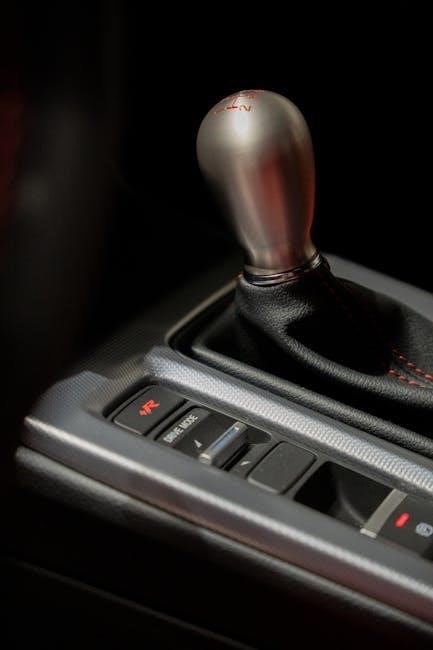
The absence of visible operational hardware contributes to a sophisticated look, often perceived as more luxurious. Designers can focus on the overall form and upholstery without being constrained by mechanical components. This results in a wider range of stylistic options, from contemporary minimalism to plush, inviting designs.
Motorized mechanisms allow for a sleeker profile, suitable for various spaces. Power recliners often feature subtle buttons or discreet controls, enhancing the overall aesthetic appeal. The focus shifts to comfort and convenience, presented within a visually appealing package, making them a stylish choice for discerning homeowners.
Practical Considerations
Power recliners often include battery backups for outages, while manual recliners require physical effort. Cost-wise, manual options are typically cheaper, but power recliners offer convenience.
Power Recliners: Battery Backup & Power Outages
Power recliners offer a significant advantage in maintaining functionality during unexpected power outages thanks to integrated battery backup systems. This feature ensures continued operation, allowing users to adjust the chair’s position even without access to a power source. Typically, the battery charger is conveniently located underneath the chair itself, facilitating easy access for charging and maintenance.
This is a crucial consideration for individuals who rely on the recline function for medical reasons or simply prefer the convenience of powered adjustments. Unlike manual recliners, which require physical exertion to operate regardless of power availability, power recliners with battery backups provide uninterrupted comfort and support. The inclusion of a battery backup transforms a potential inconvenience into a seamless experience, highlighting the added value and peace of mind offered by these advanced recliners.
Essentially, this feature safeguards against disruptions, ensuring the user can always enjoy the benefits of their power recliner, even when the electricity is unavailable.
Cost Comparison: Manual vs. Power
Manual recliners generally represent the more budget-friendly option when comparing them to their power recliner counterparts. Their simpler mechanisms translate to lower manufacturing costs, making them accessible to a wider range of consumers. Initial purchase prices for manual recliners can start significantly lower, often appealing to those prioritizing affordability.
However, power recliners, while initially more expensive, offer a premium experience justified by their advanced features and convenience. The inclusion of motorized mechanisms, adjustable lumbar support, headrests, and battery backups contribute to a higher price point. Despite the higher upfront investment, the enhanced functionality and ease of use can provide long-term value.
Ultimately, the cost-effectiveness depends on individual needs and preferences. While manual recliners provide a functional solution at a lower cost, power recliners offer a more luxurious and convenient experience for those willing to invest.
Maintenance & Durability
Manual recliners, boasting simpler designs, typically require less maintenance over their lifespan. The absence of complex electrical components minimizes potential issues, reducing the need for professional repairs. Regular cleaning and occasional lubrication of moving parts are usually sufficient to maintain optimal functionality. Their robust, mechanical nature often contributes to impressive durability.
Power recliners, with their motorized mechanisms, may necessitate more attentive maintenance. While many come equipped with battery backups, these systems require periodic checks and potential replacements. Electrical components are susceptible to wear and tear, potentially leading to malfunctions requiring professional attention.
However, quality power recliners are built to withstand regular use. Despite the potential for more complex repairs, proper care and adherence to manufacturer guidelines can ensure long-term reliability. Both types, when well-maintained, can provide years of comfortable use.