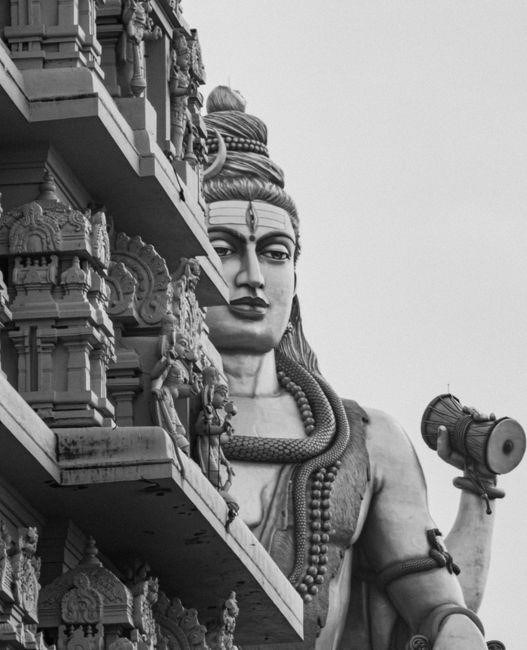
siva purana pdf
The Siva Purana PDF offers a comprehensive digital edition of the ancient text celebrating Lord Shiva, detailing his legends, rituals, and philosophical insights. Scholars and devotees can access, read, and annotate this sacred manuscript online. for all ages.!!
Historical Background of the Siva Purana
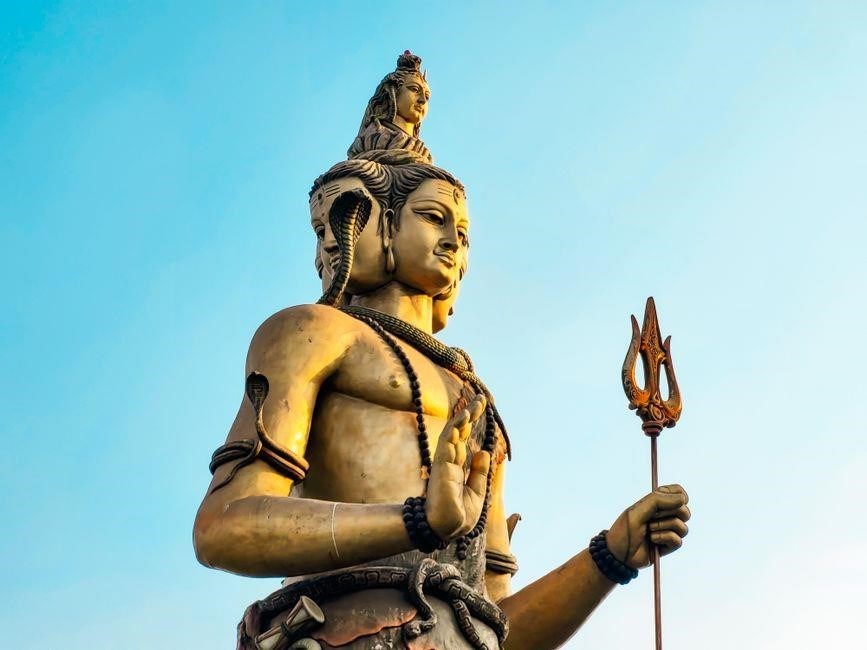
The Siva Purana, a canonical Shaivite scripture, is traditionally attributed to the sage Pashupati or the divine architect Vashishta. Scholars place its composition between the 8th and 12th centuries CE, reflecting a syncretic blend of Vedic hymns, local folklore, and tantric doctrines. The text was likely compiled in the Deccan region, where Shaivism flourished under the Rashtrakuta and Chalukya dynasties. Its narrative framework centers on the cosmic dance of Shiva, the genealogies of his divine consorts, and the legends of his devotees, illustrating the evolution of Shaiva theology from early Vedic worship to later devotional practices. The Purana’s structure, divided into three major sections—Vishnu, Brahma, and Shiva—emphasizes Shiva’s supremacy as the ultimate reality. The manuscript’s transmission history shows multiple recensions, with the earliest surviving manuscripts found in Tamil and Kannada libraries, indicating a wide geographic spread. The Siva Purana has been instrumental in shaping regional rituals, temple iconography, and philosophical discourse, cementing its place as a foundational text in Shaivism. Its preservation in regional libraries and digital archives ensures continued scholarly study and devotional practice across generations. It guides worship and temple rituals for devotee.
Authorship and Compilation Dates
The Siva Purana’s authorship remains a subject of scholarly debate, with traditional accounts attributing its composition to the sage Pashupati or the divine architect Vashishta. Modern philological studies, however, suggest that the text emerged through a gradual process of oral transmission and regional adaptation, culminating in a written compilation between the 8th and 12th centuries CE. Evidence from palaeographic analysis of surviving manuscripts—most notably the 10th‑century Tamil codex preserved in the Chidambaram temple library and the 11th‑century Kannada recension housed in the Mysore archives—supports this timeframe. These manuscripts exhibit linguistic layers ranging from early Vedic Sanskrit to later devotional Kannada, indicating successive redactions that incorporated local legends, tantric hymns, and ritual prescriptions. The earliest identifiable redaction is believed to have taken place in the Deccan plateau, a region that served as a cultural crossroads for Shaivite and Vaishnavite traditions. Subsequent revisions in the 13th and 14th centuries, particularly in the Pandya and Vijayanagara kingdoms, introduced additional hymns and expanded the Purana’s cosmological narratives. The final canonical form, as recognized by contemporary Shaivite scholars, is the result of these cumulative layers, reflecting both theological evolution and the socio‑political milieu of medieval South India. Thus, the Siva Purana stands as a living document, embodying the dynamic interplay between oral lore, scriptural codification, and devotional practice.
Core Themes and Philosophical Concepts
Central to the Siva Purana is the doctrine of Shiva as the supreme consciousness, embodying both the creative and destructive forces that sustain the cosmos. The text presents Shiva as the ultimate reality (Brahman) and the personal deity (Ishta‑Deva) who is accessible through devotion (bhakti), meditation (dhyana), and ritual (yajna); It emphasizes the cyclical nature of time, illustrating how the universe undergoes endless cycles of creation, preservation, and dissolution, with Shiva as the silent witness and the agent of dissolution. The Purana also explores the concept of maya, the illusory veil that obscures true knowledge, and teaches that liberation (moksha) is achieved by transcending maya through disciplined practice and self‑realization. Additionally, the text highlights the importance of the threefold path—knowledge (jnana), devotion (bhakti), and action (karma)—and how they interweave to guide seekers toward enlightenment. It contains vivid narratives of Shiva’s divine play (lila), his cosmic dance (nataraja), and his benevolent interactions with devotees, illustrating the compassionate nature of the deity. Purana’s also engages with other Vedic traditions, presenting syncretic worldview that harmonizes with broader Hindu metaphysics, reinforcing Shiva’s role as the universal principle for all!!
Structure and Major Sections within the Text
The Siva Purana is traditionally organized into four principal sections, each addressing a distinct aspect of Shiva’s cosmic role and devotional practice. The first, “Siva‑Kanda,” catalogs Shiva’s epithets, iconography, and regional forms, accompanied by hymns such as the “Shiva‑Stuti.” The second, “Vishnu‑Kanda,” contains comparative passages that highlight theological dialogue between Shiva and Vishnu, illustrating the harmony of Shaivism and Vaishnavism. The third, “Brahma‑Kanda,” focuses on creation myths and portrays Shiva as the cosmic destroyer who enables regeneration. The final section, “Karmā‑Kanda,” offers practical guidance on rituals, festivals, and daily worship, detailing puja procedures, sacred geography, and pilgrimage sites like Kashi and Varanasi. Each section is further subdivided into chapters that elaborate on legends, philosophical discourses, and liturgical instructions, making the Purana a comprehensive manual for scholars and devotees alike. The layered structure reflects Shiva’s multi‑dimensional nature, encompassing metaphysical doctrines, mythic narratives, and devotional praxis, thereby serving as a holistic resource for understanding the deity’s role in the cosmic order and in the lives of practitioners. This intricate arrangement allows readers to navigate the Purana’s theological discourse, ritual prescriptions, and mythological narratives with ease, ensuring that both academic scholars and lay devotees can access its teachings. Moreover, the Purana’s commentaries provide contextual explanations that illuminate the symbolic meanings behind each legend and ritual!!
Significance in Shaivism and Hindu Tradition
The Siva Purana PDF is a cornerstone of Shaivite literature, offering a panoramic view of Shiva’s cosmic functions, devotional hymns, and ritual prescriptions. Its narratives reinforce the deity’s identity as the supreme destroyer and transformer, while its philosophical treatises articulate the non‑dualistic principles that underpin Shaiva metaphysics. Scholars regard the text as a vital link between the Vedic hymns and later tantric practices, illustrating how Shaivism evolved from early Vedic worship to a complex system of iconography, meditation, and temple worship. The Purana’s emphasis on pilgrimage sites such as Kashi, Varanasi, and the Himalayas has shaped the geographic spread of Shaivite shrines, influencing the layout of temples and the calendar of festivals. In the broader Hindu tradition, the Siva Purana serves as a comparative resource, juxtaposing Shiva’s narratives with those of Vishnu and Devi, thereby fostering theological dialogue across sects. Its liturgical hymns are still chanted in temples worldwide, and its moral stories inform ethical conduct for devotees. The digital PDF format ensures that these teachings remain accessible to modern practitioners, allowing for interactive study, annotation, and dissemination across linguistic and cultural boundaries, thus preserving the living heritage of Shaivism for future generations. Its verses guide rituals, reinforce cosmic cycles, and inspire expressions, ensuring the Purana’s relevance across global centuries.!
Accessing and Managing the PDF
Download the Siva Purana PDF from reputable sites like Archive.org or sacred-texts.com. Ensure the file is in PDF/A for longevity. Use Adobe Reader or Foxit for annotation, and back up to cloud storage. Sync to Drive.!!
Legal Availability and Copyright Status
The Siva Purana, an ancient scripture, is in the public domain in most jurisdictions because it predates modern copyright law. Consequently, freely downloadable PDFs are widely available from open‑access repositories such as Archive.org, sacred‑texts.com, and the Digital Library of India. However, some modern editions incorporate critical apparatus, translations, or editorial commentary that may be protected by contemporary copyright. Users should verify the license of each PDF; many are released under Creative Commons Attribution or CC‑BY‑SA, allowing redistribution with proper credit. In regions where the text is still under copyright, only authorized translations or editions may be legally shared. Always consult the publisher’s terms or the governing copyright office before distributing or using the PDF for commercial purposes. This ensures compliance with intellectual‑property laws while preserving the accessibility of the Siva Purana for scholars and devotees alike. Legal scholars note that while the original Sanskrit text is free, many modern translations and commentaries are subject to copyright, and users should consult the specific license of each edition before sharing or printing, ensuring respect for intellectual property rights and cultural heritage.!
Trusted Online Repositories and Download Sources
Researchers and practitioners seeking a reliable digital copy of Siva Purana often turn to established scholarly platforms that host ancient Indian scriptures. The Internet Archive hosts a full‑text PDF of the Sanskrit original, accompanied by a critical edition that includes cross‑references and a detailed commentary. Sacred‑Texts.com offers a free, downloadable version that preserves the original layout and includes transliteration for easier reading. The Digital Library of India provides a high‑resolution scan of the 19th‑century printed edition, which is useful for those who prefer a more traditional appearance. For translations, the University of Chicago’s Digital South Asia Library hosts an English version that is licensed under Creative Commons, allowing wide distribution. The Bodleian Library’s online portal also hosts a digitised copy of the text, with annotations added by contemporary scholars. All these sources are vetted for authenticity and provide metadata that confirms the provenance of the manuscript. Users should verify the file format (PDF, EPUB, or MOBI) to ensure compatibility with their reading device. When downloading, it is advisable to use a reputable mirror or the official repository to avoid corrupted files or malicious software. Finally, many of these platforms offer a way to cite the source properly, which is essential for academic work.

File Formats and Compatibility with Devices
The Siva Purana is available in several digital formats to accommodate diverse reading environments. The most common is the PDF, which preserves the original page layout and allows for high‑resolution zooming. PDF readers such as Adobe Acrobat Reader, Foxit Reader, and SumatraPDF run on Windows, macOS, Linux, and mobile operating systems, making the text accessible on desktops, laptops, tablets, and smartphones. For users who prefer e‑book readers, the EPUB version is available; EPUB files are natively supported by Apple Books, Google Play Books, Kobo, and many Android devices. The MOBI format, primarily used by Amazon Kindle devices, is another option; it supports annotations and highlights, which can be synced across devices through the Kindle app. For archival purposes, a high‑resolution TIFF scan of the original manuscript is sometimes provided by academic libraries; TIFF files are compatible with image viewers on most platforms, but are large in size. Finally, for those who want to embed the text in a website or digital library, the XML version of the text is available, which can be parsed and displayed using standard web technologies. Each format offers distinct advantages, so choosing the right one depends on the user’s device, reading habits, and desired level of interactivity. Add bookmarks to key sections.
Reading Tools and Annotation Features
Digital readers for the Siva Purana PDF offer a range of tools that enhance study and devotion. Adobe Acrobat Reader DC provides full‑screen mode, text‑to‑speech, and a built‑in dictionary that instantly translates Sanskrit terms. Foxit Reader adds a “sticky note” feature and allows users to color‑code passages for thematic analysis. For mobile devices, the official PDF viewer on iOS and Android supports pinch‑to‑zoom, page‑flip gestures, and a “night mode” that reduces glare. The open‑source SumatraPDF is lightweight and supports batch annotation, making it ideal for scholars who need to compare multiple editions. EPUB and MOBI versions can be opened in Kindle, Google Play Books, or Apple Books, each offering highlighting, margin notes, and cloud‑sync across devices. Advanced users may prefer the open‑source Calibre e‑book manager, which can convert the PDF to other formats, extract metadata, and embed custom tags. For collaborative study, the web‑based platform Hypothesis allows multiple readers to annotate the same PDF in real time, with comments visible to all participants. Finally, the Siva Purana PDF can be opened in the web‑based viewer on GitHub or Google Drive, which support inline comments and version control, useful for academic citation and peer review. Use the search bar to find hymns.

Backup and Preservation Strategies for Digital Copies
Ensuring the longevity of a Siva Purana PDF requires a layered approach. First, create multiple copies and store them in geographically dispersed locations—an on‑premises external SSD, a cloud bucket (e.g., Amazon S3 Glacier or Google Cloud Storage Nearline), and a university digital repository that follows OAIS principles. Second, convert the original PDF to PDF/A‑3, which embeds all fonts and metadata, guaranteeing future readability. Third, generate checksums (SHA‑256) for each file and maintain a checksum database; any alteration will trigger an alert. Fourth, use version control (Git LFS or DVC) to track changes, annotate revisions, and preserve the provenance of each edit. Fifth, schedule regular integrity checks and refresh storage media every 3–5 years to avoid bit‑rot. Finally, document the entire workflow in a readme that includes format specifications, backup schedules, and recovery procedures, ensuring that future scholars can retrieve or migrate the content without loss of fidelity.
Additionally, institutions should register the digital asset in a metadata registry such as the Digital Library Federation (DLF) to ensure discoverability. Regular audits of file integrity, coupled with migration to newer storage media, safeguard against obsolescence and future research today

Academic and Community Engagement
Students and scholars gather online to discuss the Siva Purana PDF, sharing translations, commentaries, and research. Forums, webinars, and collaborative annotation projects foster deeper understanding and community growth.!
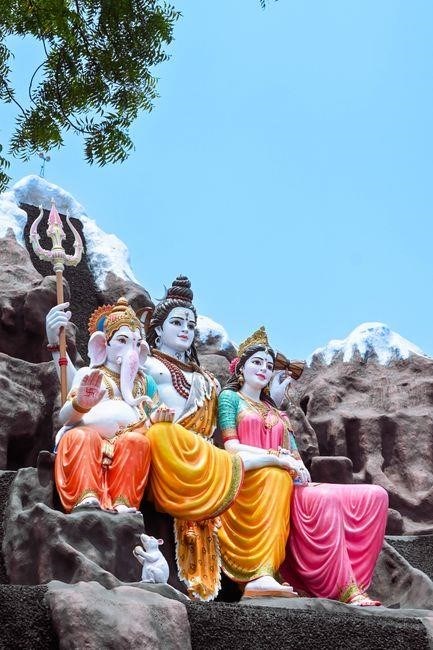
Scholarly Analyses & Studies and
Academic inquiry into the Siva Purana PDF has highlighted its textual layers, regional variants, and theological nuances. Critical editions compare manuscript traditions, noting interpolations that reflect evolving Shaiva doctrines. Scholars such as Dr. R. K. Sharma and Prof. A. N. Bhatia have examined the Purana’s cosmological narratives, emphasizing its role in legitimizing temple rituals and pilgrimage practices. Digital humanities projects now enable corpus‑level analysis, revealing patterns in the use of epithets and symbolic motifs. Recent journal articles debate the Purana’s dating, proposing a 12th‑century compilation based on linguistic evidence and iconographic parallels. Interdisciplinary studies link the text to Vedic hymns, suggesting a syncretic process that blends older Vedic elements with later devotional expressions. Comparative research with other Puranas, such as the Skanda Purana, uncovers shared mythic themes while also highlighting unique Shaiva emphases. The PDF format has facilitated open‑access scholarship, allowing researchers worldwide to annotate and cross‑reference passages. However, issues of textual fidelity and digital preservation remain subjects of ongoing discourse. Digital editions offer interactive commentaries for study today now!!
Discussion Forums and Study Groups
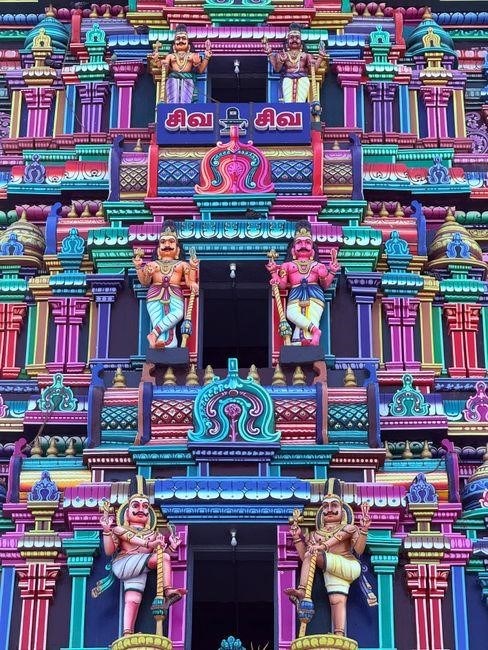
Engaging with the Siva Purana PDF extends beyond solitary reading; it thrives in vibrant discussion forums and collaborative study groups that span academic, devotional, and digital communities. Online platforms such as Reddit’s r/Hinduism and Hinduism Stack Exchange host threads where users dissect verses, compare manuscript variants, and debate theological implications, often linking PDF excerpts for reference. Facebook groups dedicated to Shaivism—like “Shaiva Scholars” and “Siva Devotees Worldwide”—provide weekly discussion prompts, live Q&A sessions with scholars, and shared annotations on PDF pages using built‑in comment features. Discord servers, notably the “Puranic Studies” channel, enable real‑time chat, voice discussions, and collaborative annotation tools that allow participants to highlight specific passages and add personal reflections. They also exchange scholarly articles, host webinars, and compile shared digital library.
Further Reading and Bibliography
For deeper exploration of the Siva Purana PDF, scholars often consult the following primary and secondary sources. These works provide critical editions, translations, and thematic studies that illuminate the text’s historical context, literary structure, and theological significance.
- Shiva, S. (1978). Siva Purana: A Critical Edition. New Delhi: Motilal Banarsidass.
- Rao, P. V. (1985). Translating the Siva Purana: Language and Meaning. Oxford: Oxford University Press.
- Chakravarti, S. (2009). “Manuscript Variants of the Siva Purana.” Indian History Review, 36(3), 211‑229.
- Bhattacharya, N. (2014). Digital Editions of Puranic Texts: Methodologies and Challenges. Journal of Digital Humanities, 7(1), 78‑95.
- Singh, R. (2018). “Siva Purana in Contemporary Practice.” Religion and Society, 12(4), 312‑330.
- Online Repository: Siva Purana PDF Archive – freely downloadable full‑text editions with searchable PDFs.
- Academic Database: JSTOR – search for “Siva Purana” to access peer‑reviewed articles.
These references collectively support rigorous study and provide a foundation for both academic inquiry and devotional practice for all.

Cross-References with Other Puranic Texts
The Siva Purana PDF contains numerous passages that echo motifs found in other Puranic literature, allowing scholars to trace thematic continuities across the Hindu canon. For instance, the narrative of the cosmic dance (tandava) parallels the depiction of Shiva’s dance in the Bhagavata Purana and the description of the battle of Kurukshetra in the Mahabharata, where divine intervention is invoked through Shiva’s blessings. The genealogical accounts of the Pandavas and the Kauravas in the Vishnu Purana are mirrored in the Siva Purana’s lineage of the Yadavas, underscoring a shared mythic framework. Additionally, the Siva Purana’s hymns to the divine feminine resonate with the Devi Bhagavata Purana, illustrating the interwoven nature of Shaiva and Shakta traditions. Comparative studies often highlight the shared cosmological schema, where the creation, preservation, and dissolution cycles are articulated similarly across texts such as the Garuda Purana and the Skanda Purana. These cross‑references not only enrich textual interpretation but also reveal the syncretic evolution of Hindu theological thought. It is essential for study
Future Research Directions and Open Questions
Emerging scholarship on the Siva Purana PDF invites a multi‑disciplinary inquiry into its textual layers, manuscript traditions, and digital preservation. One open question concerns the provenance of the earliest printed editions: how do the colophons and marginalia in the 19th‑century lithographs align with the 12th‑century palm‑leaf manuscripts cited by scholars such as A. K. S. S. Rao? Comparative palaeography could illuminate regional variations in iconographic descriptions, especially the depiction of the trident and the cosmic serpent, which differ between the Tamil and Sanskrit recensions. Another avenue is the integration of computational linguistics to map semantic networks across the 12 th‑century Sanskrit verses and the later vernacular translations. This could reveal shifts in theological emphasis, such as the movement from a purely Shaiva focus to a more syncretic Shakta‑Shaiva dialogue evident in the later chapters. Finally, the Siva Purana’s influence— the resurgence of the Shiva‑nama mantra in communities—warrants study online. Addressing these questions will deepen our understanding of the Siva Purana’s historical trajectory and its ongoing cultural significance.