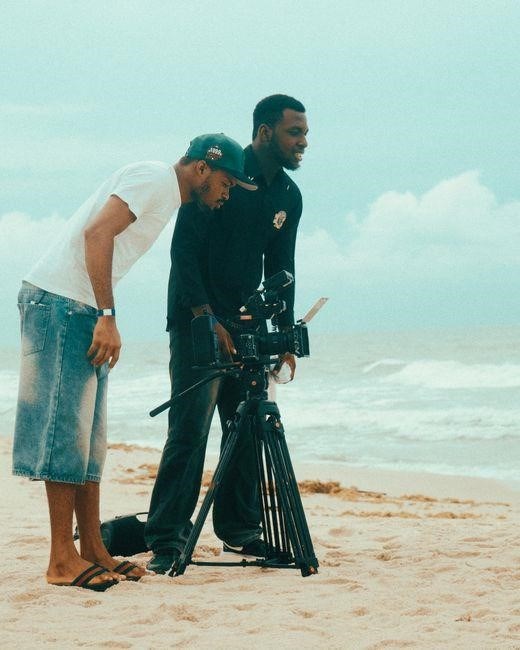
short guide to writing about film
Foundations of Film Writing
Timothy Corrigan’s Short Guide to Writing About Film offers a concise‚ accessible framework for analyzing cinema. It teaches readers to translate viewing pleasure into clear‚ critical prose‚ covering technical aspects‚ narrative structure‚ and thematic depth. The guide clear structure and concise analysis!!!??
Purpose and Scope of the Guide
Timothy Corrigan’s Short Guide to Writing About Film is designed to transform the enjoyment of watching movies into a disciplined‚ articulate practice of analysis and critique. Its purpose is to equip students‚ enthusiasts‚ and aspiring critics with a practical toolkit that demystifies the mechanics of film language while encouraging thoughtful reflection on narrative‚ style‚ and meaning. The guide’s scope spans the entire filmmaking process—from pre‑production concepts to post‑production distribution—yet it remains focused on the reader’s ability to observe‚ interpret‚ and communicate. Corrigan emphasizes that every film‚ regardless of genre or budget‚ offers a set of visual and auditory cues that can be decoded through a systematic approach. By breaking down elements such as cinematography‚ editing rhythm‚ sound design‚ and thematic motifs‚ the book provides a structured path for readers to develop coherent arguments. The guide also addresses the importance of contextual knowledge‚ encouraging readers to situate a film within its historical‚ cultural‚ and industrial frameworks. This contextual grounding helps readers avoid superficial judgments and instead craft nuanced‚ evidence‑based critiques. In addition‚ Corrigan offers practical exercises that prompt readers to write concise‚ focused essays‚ thereby reinforcing the habit of critical writing. The overall aim is to foster a deeper appreciation of cinema while cultivating the analytical skills necessary for clear‚ persuasive film criticism. By the end of the guide‚ readers should feel confident in their ability to translate visual observations into clear‚structured written commentary that engages scholars and audiences .

Film Language Basics
Corrigan’s guide introduces core film elements—shot composition‚ editing pace‚ color palette‚ and sound layering—showing how each shapes narrative and mood. Readers learn to dissect scenes‚ identify visual motifs‚ and link technical choices to thematic intent‚ forming a solid analytical foundation. Brief insight!!.
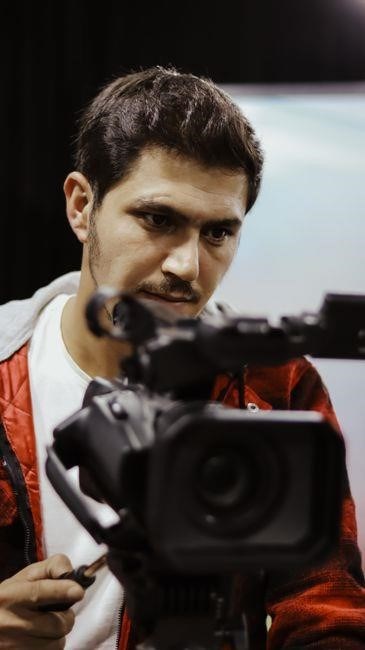
Visual Elements: Cinematography‚ Editing‚ Color
Corrigan’s Short Guide to Writing About Film introduces the visual language of cinema‚ emphasizing how cinematography‚ editing‚ and color shape narrative and mood. He explains that camera angles‚ shot composition‚ and movement convey subtext‚ while editing rhythms control pacing and emotional impact. The guide offers practical exercises that train writers to analyze scenes‚ identify visual motifs‚ and articulate how form reinforces meaning. By dissecting camera movement‚ depth of field‚ and color grading‚ readers learn to read visual cues that reveal character motivations and thematic undercurrents. Corrigan also discusses how lighting can create psychological distance or intimacy‚ and how editing can manipulate time perception. The exercises prompt students to annotate shot lists‚ note color symbolism‚ and map narrative arcs‚ fostering a disciplined analytical habit. The guide concludes by urging writers to blend descriptive observation with critical insight‚ ensuring that every visual detail serves the larger argument and enhances the reader’s understanding of the film’s artistic intent. Through this structured approach‚ students develop a keen eye for the craft‚ enabling them to write essays that not only describe but also interpret the visual language of cinema. By mastering these techniques‚ writers gain confidence in articulating the nuanced interplay between form and content‚ ultimately contributing to richer film criticism. This holistic perspective empowers critics to engage deeply with the visual craft. This skill set is essential for any aspiring film critic. Readers benefit. New insights. Deep learning. Artful view By mastering these visual tools‚ writers learn to articulate how form reinforces meaning‚ turning observation into insight and allowing the critic to speak with authority about the craft of filmmaking. In practice‚ the guide encourages writers to observe how a director’s choice of lens can alter the emotional resonance of a scene. A wide-angle shot may exaggerate space‚ creating a sense of isolation‚ while a telephoto lens compresses distance‚ drawing the viewer closer to the protagonist’s experience. Moreover‚ the use of color grading can subtly shift the audience’s mood; a cooler palette may suggest melancholy‚ whereas a warmer tone can evoke nostalgia or hope. Lighting‚ whether hard or soft‚ is dissected for its ability to sculpt form and texture‚ and for the symbolic weight it carries—shadow can imply mystery or moral ambiguity. Editing rhythms are mapped out‚ with cuts that accelerate pacing or linger to build tension; match cuts are highlighted as tools for thematic cohesion‚ linking disparate scenes through visual or narrative echoes. By mastering these visual tools‚ writers learn to articulate how form reinforces meaning‚ turning observation into insight and allowing the critic to speak with authority about the craft of filmmaking. The guide also discusses how sound design interacts with visual elements‚ noting that the absence of sound can heighten visual tension‚ while a layered soundtrack can reinforce thematic motifs. By examining specific scenes‚ students learn to identify how camera movement‚ lighting‚ and color work in concert to create a unified aesthetic. The exercises prompt writers to annotate shot lists‚ noting the emotional impact of each visual choice‚ and to trace how these choices support the narrative arc. Finally‚ the book emphasizes the importance of context‚ encouraging readers to consider historical and cultural influences that shape a film’s visual language. Students are also taught to compare films across genres‚ noting how the same visual techniques can be adapted to serve different storytelling purposes. The guide provides a framework for evaluating the effectiveness of visual choices‚ encouraging writers to support their claims with specific examples from the film. By engaging in this iterative analysis‚ readers develop a nuanced understanding of how visual language functions as both a narrative device and a vehicle for thematic expression. The culmination of these exercises is a critical essay that demonstrates mastery of visual analysis‚ weaving together observations‚ theory‚ and personal insight. This process not only sharpens analytical skills but also cultivates a deeper appreciation for the artistry that goes into every frame. In sum‚ Corrigan’s guide equips aspiring critics with a systematic approach to dissecting and interpreting the visual fabric of film‚ ensuring that every analysis is both rigorous and richly informed. This methodical practice fosters confidence‚ allowing critics to articulate nuanced perspectives that resonate with both scholars and general audiences. Ultimately‚ the guide transforms casual film watching into a disciplined scholarly activity‚ enriching the viewer’s engagement with cinema. Readers leave with a toolkit that empowers critical dialogue across film studies. Their analyses become richer‚ more precise‚ and deeply contextual. They now see film as a living art. Film is art!!!!

Sound and Music Analysis
Corrigan’s guide highlights how audio shapes narrative. It teaches readers to dissect dialogue‚ ambient sounds‚ and score‚ linking them to mood and theme. By analyzing sound design‚ critics can argue how music reinforces emotion and supports storytelling. Silence amplifies stakes now
Role of Audio in Narrative and Mood

Corrigan’s Short Guide to Writing About Film emphasizes that sound is not merely background but a narrative engine. By dissecting dialogue‚ diegetic noises‚ and the score‚ writers learn to map how audio cues signal character intent‚ foreshadow plot twists‚ and shape emotional resonance. The guide explains that a well‑timed crescendo can heighten tension‚ while a sudden silence can expose vulnerability. It also discusses the use of leitmotifs—recurring musical themes tied to specific characters or ideas—to reinforce thematic threads. Moreover‚ the text stresses that ambient sounds‚ such as city traffic or forest wind‚ ground scenes in a tangible reality‚ allowing readers to feel the setting’s texture. When analyzing a film‚ the writer should note how the soundtrack’s tempo aligns with pacing: a rapid beat may mirror a chase sequence‚ while a slow‚ minor key underscores introspection. Corrigan encourages critics to question whether the audio choices support or contradict visual storytelling‚ thereby revealing the director’s intent. By integrating these observations‚ an essay can articulate how sound shapes narrative structure and emotional impact‚ turning passive observation into a persuasive argument about the film’s artistic success. The guide also highlights how dialogue rhythm can reveal subtext‚ how background noise can create authenticity‚ and how silence can serve as a dramatic pause that invites reflection. In practice‚ the writer examines each scene’s sonic layers‚ noting how they interact with cinematography and editing to create a cohesive mood. The result is a nuanced critique that acknowledges audio as a central‚ dynamic component of cinematic storytelling‚ essential for readers to appreciate the full spectrum of a film’s expressive power;

Storytelling Techniques
Corrigan’s Short Guide outlines key storytelling techniques: structuring acts‚ pacing scenes‚ and using visual motifs. It teaches writers to dissect narrative arcs‚ highlight character development‚ and analyze how cinematic language conveys theme. The guide offers concise‚ practical tools for critical analysis. now!!!!
Plot Structure and Pacing in Film
In the Short Guide to Writing About Film‚ Timothy Corrigan dedicates a section to the mechanics of plot and the rhythm that keeps audiences engaged. He explains the classic three‑act structure—setup‚ confrontation‚ resolution—and how each act should contain a clear turning point that propels the story forward. The guide emphasizes that pacing is not merely the speed of cuts but the deliberate placement of beats: moments of tension‚ release‚ and revelation. Corrigan argues that effective pacing requires a balance between exposition and action; too much exposition stalls the narrative‚ while excessive action can leave emotional stakes under‑developed. He introduces the concept of “story beats” as micro‑structures that build momentum‚ and shows how to map these beats onto a visual timeline. The book also discusses the use of “slow‑motion” and “montage” as tools to compress or expand time‚ thereby manipulating audience perception of urgency. Additionally‚ Corrigan highlights the importance of rhythm in editing—how the tempo of cuts can mirror a character’s internal state or the thematic tension of the film. He provides examples from classic and contemporary cinema to illustrate how pacing choices influence the emotional impact and clarity of the story. By dissecting scenes from films such as “The Godfather” and “Inception‚” the guide demonstrates how pacing choices influence the emotional impact and clarity of the story. Critics observe that pacing shapes empathy‚ as deliberate delays or rapid cuts heighten stakes‚ reinforcing emotional depth and narrative tension.

Character and Performance
Corrigan’s guide examines how actors embody roles‚ noting subtle gestures‚ vocal tone‚ and emotional arcs. It stresses observing character motivation and narrative function‚ then linking performance choices to thematic resonance. The text encourages deep evidence‑based critique.
Analyzing Acting and Character Arcs
Corrigan’s Short Guide to Writing About Film urges readers to dissect performance through the lens of character development. The text stresses the importance of mapping an actor’s choices—gestures‚ vocal inflections‚ and physicality—onto the narrative arc. By noting how a character’s motivations shift‚ the guide shows how to trace emotional beats and identify turning points that drive the story forward. It encourages the writer to ask whether the actor’s portrayal remains consistent with the character’s internal logic‚ and how subtle changes in demeanor signal growth or regression. The book also highlights the role of subtext‚ urging critics to look beyond dialogue for hidden intentions that reveal deeper layers of meaning. When evaluating arcs‚ Corrigan recommends comparing the character’s initial state with the eventual outcome‚ using concrete scenes as evidence. He provides examples from classic and contemporary films to illustrate how performance can reinforce or undermine thematic messages. The guide’s systematic approach helps writers craft focused‚ evidence‑based analyses that illuminate the interplay between actor‚ character‚ and narrative structure.
Critics can further enrich their essays by juxtaposing performance with directorial intent‚ noting how camera angles‚ lighting‚ and editing choices amplify an actor’s emotional stakes. Corrigan advises using specific timestamps or scene descriptions to ground arguments‚ ensuring that readers can verify claims. By weaving these observations together‚ writers demonstrate a nuanced understanding of how performance shapes narrative meaning and audience reception.
In practice‚ a well‑structured analysis begins with a concise thesis that states the central claim about the actor’s performance. From there‚ the writer should systematically present evidence‚ citing specific scenes‚ gestures‚ and vocal nuances that support the thesis. Corrigan advises balancing descriptive observation with interpretive insight‚ ensuring that each claim is grounded in observable detail. By maintaining this rigorous approach‚ critics not only demonstrate mastery of film language but also contribute meaningfully to broader conversations about performance and storytelling in cinema. This disciplined method elevates the critic’s voice and invites reflection.

Thematic Exploration
Corrigan’s Short Guide to Writing About Film encourages readers to uncover recurring motifs‚ symbols‚ and narrative patterns that reveal a film’s core messages. By linking visual cues‚ dialogue‚ and thematic arcs‚ critics can articulate how a movie’s underlying ideas resonate with audiences‚ enriching analysis. Critics deepen meaning. subtly
Identifying Motifs and Messages

In the Short Guide to Writing About Film‚ Timothy Corrigan emphasizes the importance of detecting recurring motifs and underlying messages to build a coherent critical argument. The guide suggests starting with a close visual reading: note repeated symbols‚ color palettes‚ or camera angles that surface throughout the narrative. By cataloguing these elements‚ a critic can trace how they reinforce the film’s central themes. Corrigan also recommends examining dialogue for recurring phrases or thematic echoes‚ which often serve as narrative anchors. When motifs intersect with character arcs‚ they reveal the film’s moral or philosophical stance. The guide encourages writers to contextualize motifs within the broader cinematic tradition‚ comparing them to similar devices in genre or director’s oeuvre. Finally‚ Corrigan stresses the need for evidence: every claim about a motif or message must be supported by specific scenes‚ shots‚ or lines‚ ensuring the analysis remains grounded and persuasive. This systematic approach transforms surface observations into a layered interpretation that illuminates both the film’s artistry and its cultural significance.Students are encouraged to keep a motif log‚ noting each instance and its context‚ which aids in spotting patterns across scenes.Corrigan stresses that motifs often carry symbolic weight‚ linking personal character journeys to universal themes.By mapping these connections‚ critics can argue how a film’s aesthetic choices reinforce its narrative stakes.Moreover‚ the guide warns against over‑interpretation‚ urging writers to balance insight with restraint‚ ensuring their claims remain grounded in observable evidence.Ultimately‚ the guide reminds readers that a motif analysis deepens appreciation and sharpens critical dialogue in film studies.!

Critical Writing Skills
Corrigan’s guide teaches critics to craft clear‚ evidence‑based arguments. It stresses thesis clarity‚ logical structure‚ and precise citations of scenes‚ dialogue‚ and visual cues. By linking analysis to film theory‚ writers build persuasive‚ insightful critiques that illuminate cinematic craft and deepens insight in art
Formulating Arguments and Supporting Evidence
Corrigan’s Short Guide stresses that a film essay must begin with a clear thesis that states the film’s central claim. He urges writers to anchor this claim in specific‚ observable elements—shot composition‚ editing rhythm‚ or diegetic sound—so readers can trace the argument back to the text. The recommended structure is three steps: identify the key device‚ analyze its function in the narrative‚ and explain its broader significance. This pattern keeps the critique logical and evidence‑driven. Corrigan also advises contextualizing evidence: a montage should be linked to its historical or stylistic lineage‚ placing the film in a larger tradition. Precise language is essential—terms like “low‑angle shot” or “cross‑cutting” convey specificity that strengthens the argument. He cautions against vague adjectives‚ insisting each claim be supported by an explicit reference to the film’s content. When discussing motifs‚ the guide pairs visual analysis with textual evidence‚ such as dialogue or narrative structure‚ to show how form and content reinforce one another. Comparative analysis is encouraged; juxtaposing scenes from the film with those from other works can highlight unique stylistic choices. Additionally‚ the guide recommends citing scholarly sources to bolster arguments‚ ensuring that analysis is grounded in established film theory. Critics should also consider audience reception‚ noting how the film’s techniques influence viewer interpretation. The conclusion must restate the thesis and reflect on the film’s impact or its place in the director’s oeuvre. By following these practices‚ writers produce coherent‚ substantiated‚ and engaging arguments that illuminate the film’s craft and meaning. Readers find disciplined approach insightful for. This method encourages rigorous‚ evidence‑based analysis that rewards deep viewing for.